
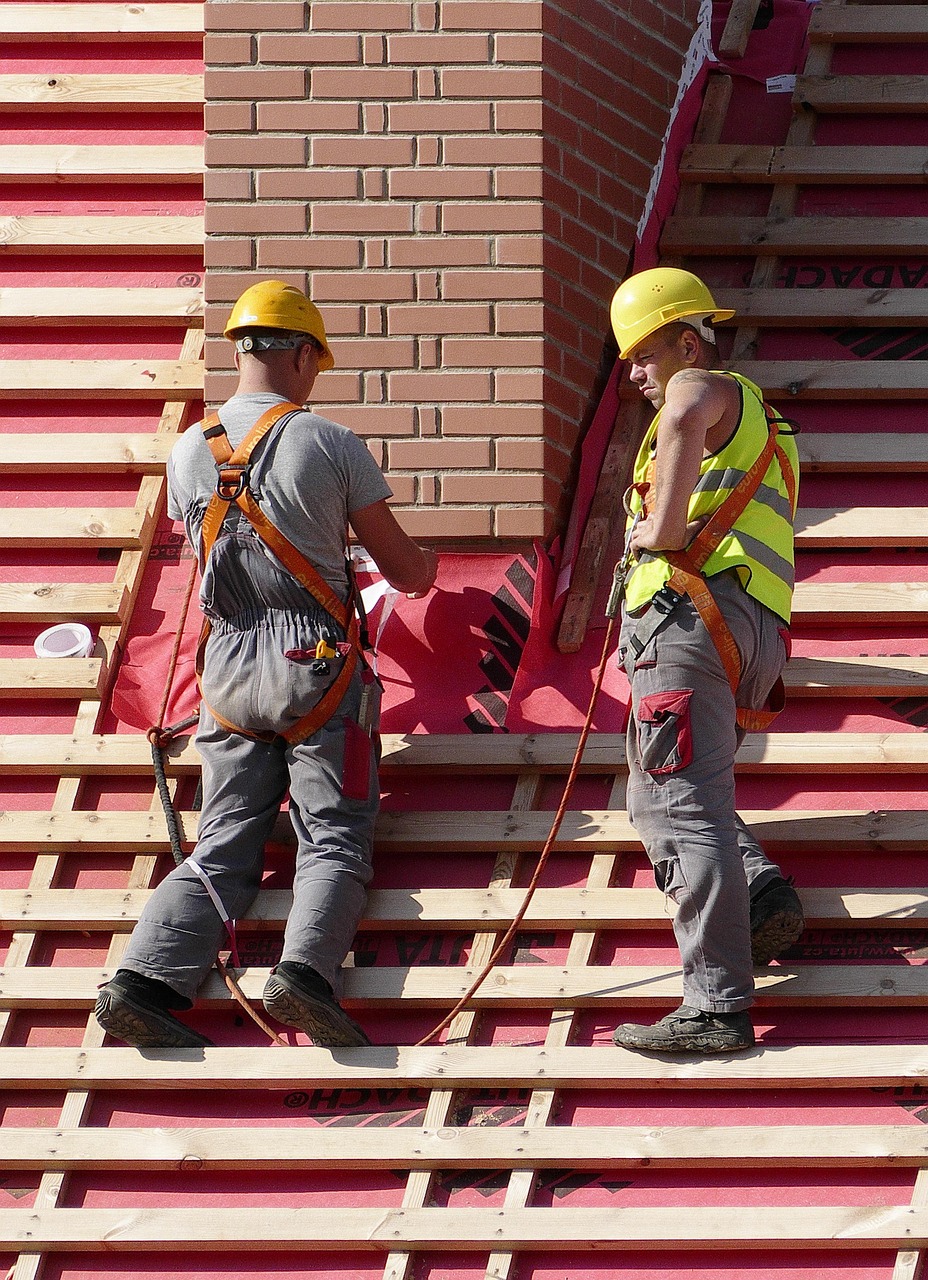


⚡ TL;DR: Learn five key red flags for roof inspections in San Francisco, like curling shingles and moss growth from local winds, fog, and dampness, to catch problems early.
📋 What You’ll Learn
In this San Francisco roof inspection guide, you’ll learn to spot 5 critical red flags from local winds, fog, and salt air, plus a real case study saving a home from disaster.
- Spot curling or missing shingles from SF's gusty Bay winds that signal imminent roof failure and the need for swift professional evaluation.
- Identify cracked asphalt buckling caused by foggy moisture buildup, preventing hidden leaks before they damage your home's structure.
- Recognize granule loss and bald spots indicating accelerated wear unique to SF roofs, extending your shingles' lifespan with early action.
- Detect moss, algae, and mold growth thriving in damp microclimates, and master safe removal to halt invasive deterioration.
- Check flashing failures from salt corrosion around vents to avoid leaks in SF's coastal air, safeguarding your investment.
📖 Reading time: 7 min
✍️ Author expertise: SF roofing pro with 15+ years inspecting Bay Area roofs from real field experience.
San Francisco's relentless fog and gusty winds don't pull punches on your roof. One unnoticed crack or curl, and you're staring at a soggy disaster during the next downpour.
We've climbed thousands of Bay Area rooftops, spotting the silent killers before they turn homes into swimmin' pools.
These five red flags show up way too often in our SF inspections. Catch 'em quick, and dodge the big repair bill.
Here's exactly what to look for right now.
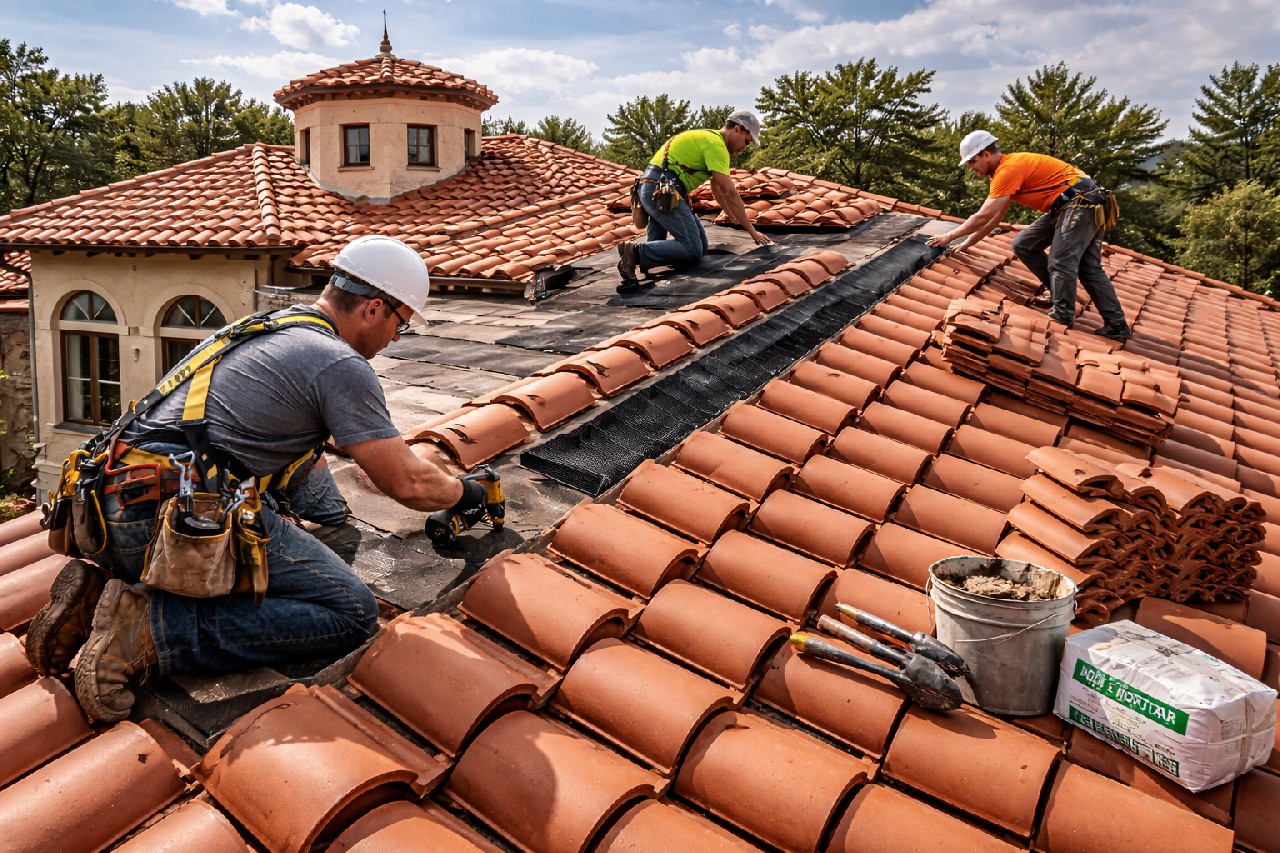
Red Flag #1: Curling or Missing Shingles from Gusty Bay Winds
San Francisco's winds whip through the Bay like a freight train. They grab loose shingles and yank them right off. Your roof takes the brunt up on those exposed hills.
Curling edges mean shingles are lifting at the corners. Missing ones leave bald patches exposed to rain. Spot this early, or water sneaks under and rots your decking fast.
Quick Spot-Check Guide
- Climb a ladder (safely) and scan from the ridge down. Look for edges peeling up like potato chips.
- Check valleys and eaves hardest hit by gusts. Any gaps bigger than a quarter? Call us now.
- Feel the surface. Brittle or soft? Wind has been grinding them down for months.
We've seen entire sections vanish after one wild afternoon. Fix it before the next storm hits. A simple patch job now beats a full replacement later.
Red Flag #2: Cracked or Buckled Asphalt Due to Foggy Moisture Buildup
San Francisco's thick fog rolls in daily, trapping moisture under your asphalt shingles like a wet blanket. That constant dampness softens the material, leading to cracks and buckling that scream "leak ahead."
Spot these trouble signs from the ground or ladder. Cracks spiderweb across shingle surfaces. Buckles lift edges, creating gaps where water sneaks in.
- Shingles that ripple like warped cardboard.
- Split lines wider than a pencil tip.
- Edges popping up, flapping in the breeze.
Ignore this, and fog turns into full-blown rot. We've seen one small buckle cascade into attic floods after the first real rain. Call us before it buckles your budget.
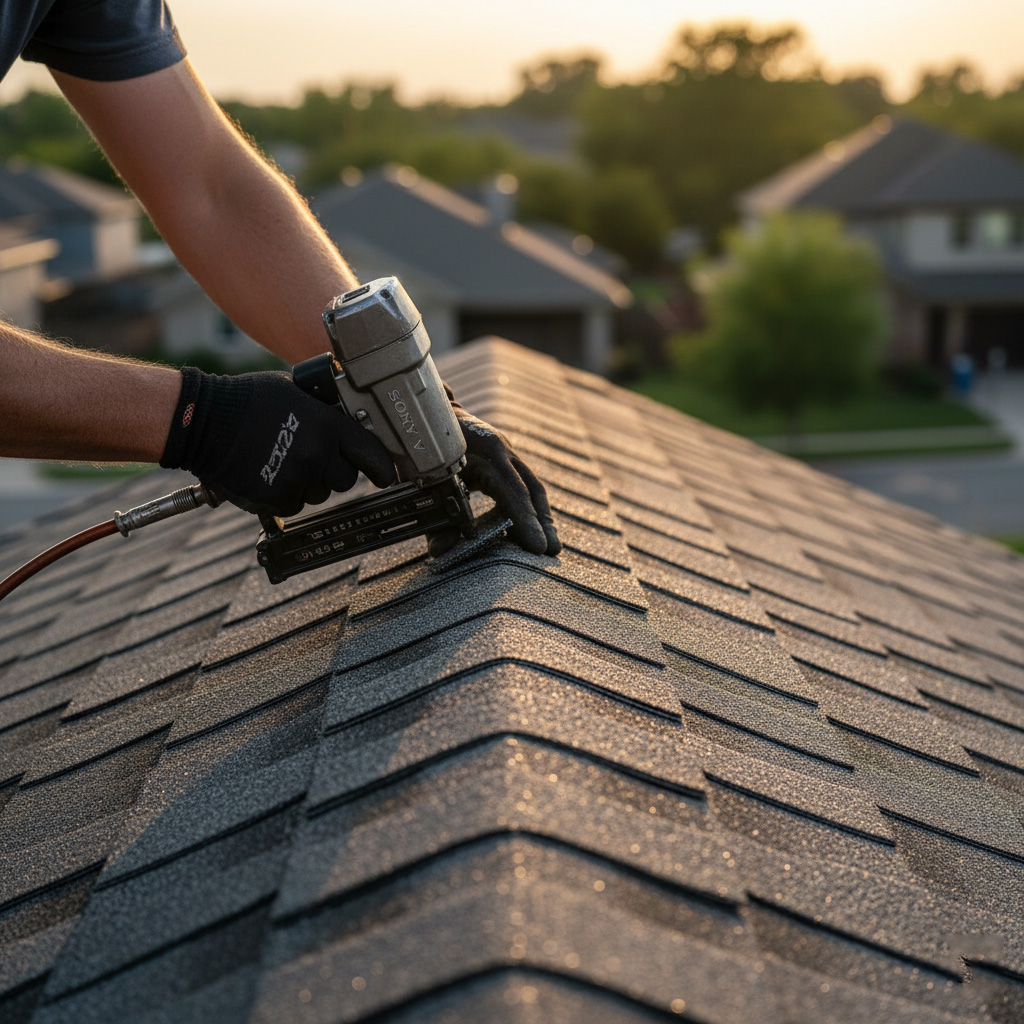
Red Flag #3: Granule Loss and Bald Spots Signaling Accelerated Wear
Picture this: your shingles shedding their gritty topcoat like a dog in summer. Those granules aren't just decoration. They shield against UV rays and pounding rain.
In SF's foggy soup, they vanish faster. Winds whip off loose bits. Suddenly, bald spots appear. That's your roof screaming for help.
Spot These Warning Signs Fast
- Shingles looking smooth and shiny? Granules gone.
- Gutters clogged with black grit? Roof shedding big time.
- Bare patches darker than the rest? Accelerated UV damage incoming.
Ignore it, and water seeps straight to the underlayment. Rot sets in quick. Call us before those bald spots spread like wildfire.
Red Flag #4: Moss, Algae, and Mold Thriving in SF's Damp Microclimate
San Francisco's foggy mornings trap moisture on your roof like a sponge. Moss, algae, and mold love this setup. They creep in fast, especially on north-facing slopes where shade keeps things wet.
Spot black streaks or green patches? That's algae eating away at your shingles. Moss roots dig in deep, lifting edges and trapping more water. Mold hides underneath, rotting the underlayment before you notice.
Quick Checks for Trouble
- Dark, fuzzy growth along ridges or valleys.
- Shingles that feel soft or slimy to the touch.
- Water stains inside your attic from sneaky leaks.
Ignore this, and your roof loses granules twice as fast. We've seen entire sections fail in under two years here. Call for an inspection now - before the next fog bank rolls in.
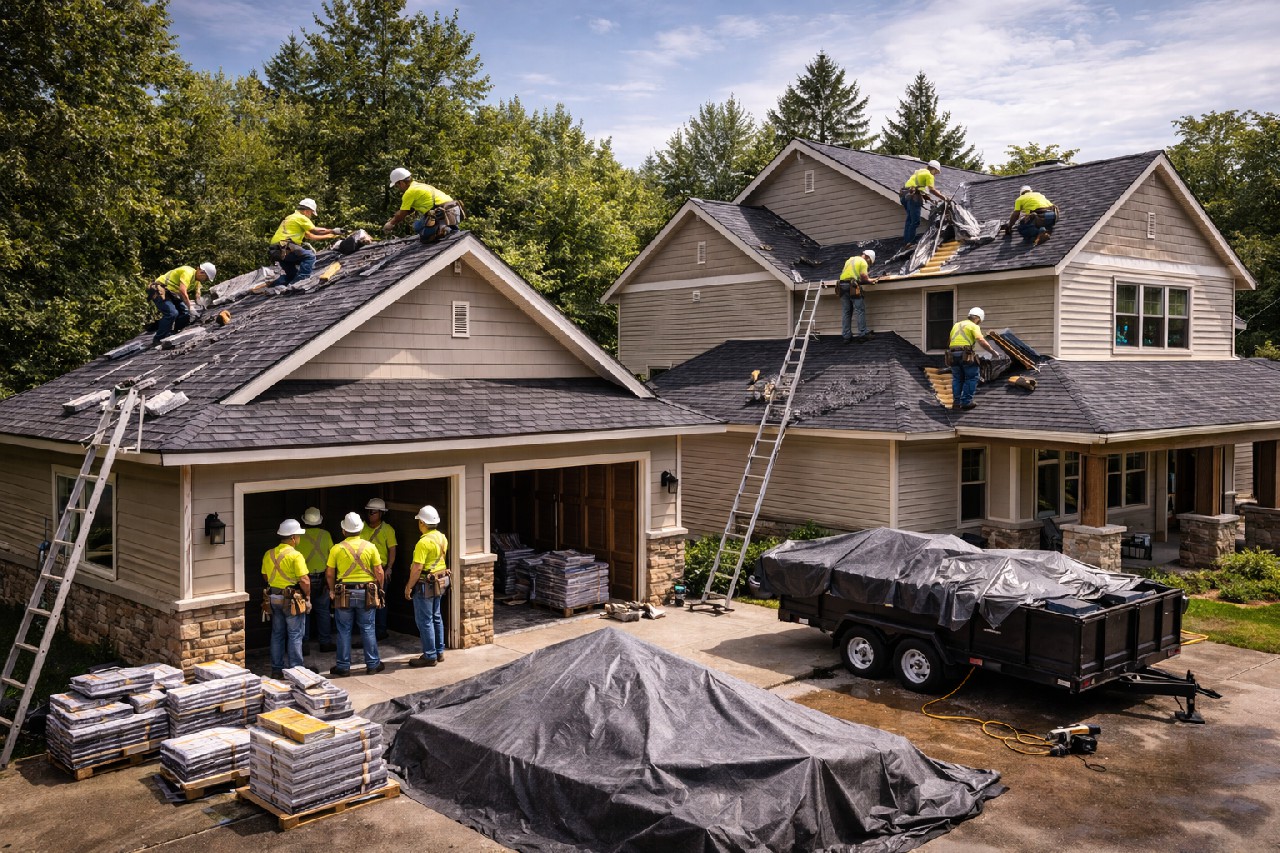
Red Flag #5: Flashing Failures and Leaky Vents from Salt Air Corrosion
Flashing seals the spots where your roof meets chimneys, vents, and skylights. In San Francisco, that salty bay air eats away at these metal pieces faster than you'd think. One tiny gap, and rainwater sneaks in like a thief.
Check for rust streaks or pitting around those edges. Look inside for water stains on ceilings near vents. Loose or cracked flashing screams trouble.
Quick Spot-Check List
- Brown rust lines running down from flashing.
- Gaps wider than a credit card between metal and shingles.
- Wet spots or mold inside, right under roof penetrations.
Ignore this, and you're feeding rot into your attic framing. Call us before the next fog bank rolls in. We've fixed hundreds of these sneaky leaks in Noe Valley alone.
Case Study: Saving a Pacific Heights Home from Hidden Roof Rot
Picture this: A Pacific Heights homeowner calls us in a panic after spotting water stains on her ceiling. Turns out, she'd ignored subtle curling shingles for months. Our team hit the roof fast.
Up close, we uncovered the mess. Granule loss everywhere. Moss creeping under flashing. And that foggy moisture? It had rotted the underlayment silent-like.
What We Did – Step by Step
- Full tear-off: Stripped the damaged layers down to the decking.
- Replaced rotted wood with treated plywood.
- Installed new asphalt shingles with upgraded flashing to fight salt air.
Cost her a fraction of a full re-roof. No more leaks during those SF downpours. She slept easy that night – and saved thousands long-term.
Final Thoughts
San Francisco roofs take a beating. Spot these red flags early, and you sidestep leaks that could gut your home's value.
Don't wait for the next fog bank to expose the damage. Book a roof inspection today. Our crew spots issues others miss.
- Climb up safely or call us - no ladders needed.
- Get a full report with photos.
- Fix small problems before they explode into $20K jobs.
One Pacific Heights client dodged disaster last month. You could be next. Act now.
People Also Ask
What are the most common roof red flags in San Francisco?
San Francisco's unique climate brings issues like curling shingles from gusty winds, granule loss from fog, and moss growth in damp conditions. These red flags signal accelerated wear and potential leaks if ignored. Schedule a professional inspection to catch them early and prevent costly repairs.
How often should I inspect my roof in SF?
Annual roof inspections are recommended in San Francisco due to constant wind, fog, and salt air exposure. Look for red flags like buckled asphalt or flashing failures during wet seasons. Early detection saves thousands by avoiding water damage to your home.
Why do shingles curl or go missing in the Bay Area?
Gusty Bay winds and temperature fluctuations cause shingles to curl or detach over time. This red flag exposes your roof to leaks and further damage from SF's frequent fog. A quick inspection can confirm if replacement is needed to protect your investment.
Is moss on my San Francisco roof a serious problem?
Moss, algae, and mold thrive in SF's damp microclimate, trapping moisture and eroding shingles. This leads to premature roof failure and interior leaks. Professional cleaning and treatment during inspection prevent escalation into major structural issues.
What causes roof flashing failures in San Francisco?
Salt air corrosion from ocean proximity weakens flashing around vents and chimneys, creating leak points. Combined with fog buildup, this red flag often goes unnoticed until water damage appears inside. Expert evaluation ensures proper sealing and extends your roof's lifespan.
Need Roofing Services?
Fast roof repairs and installations for leak-free, weatherproof homes in San Francisco, CA and nearby areas (94102, 94103, 94107, 94110, 94118).
Request Roofing Quote