
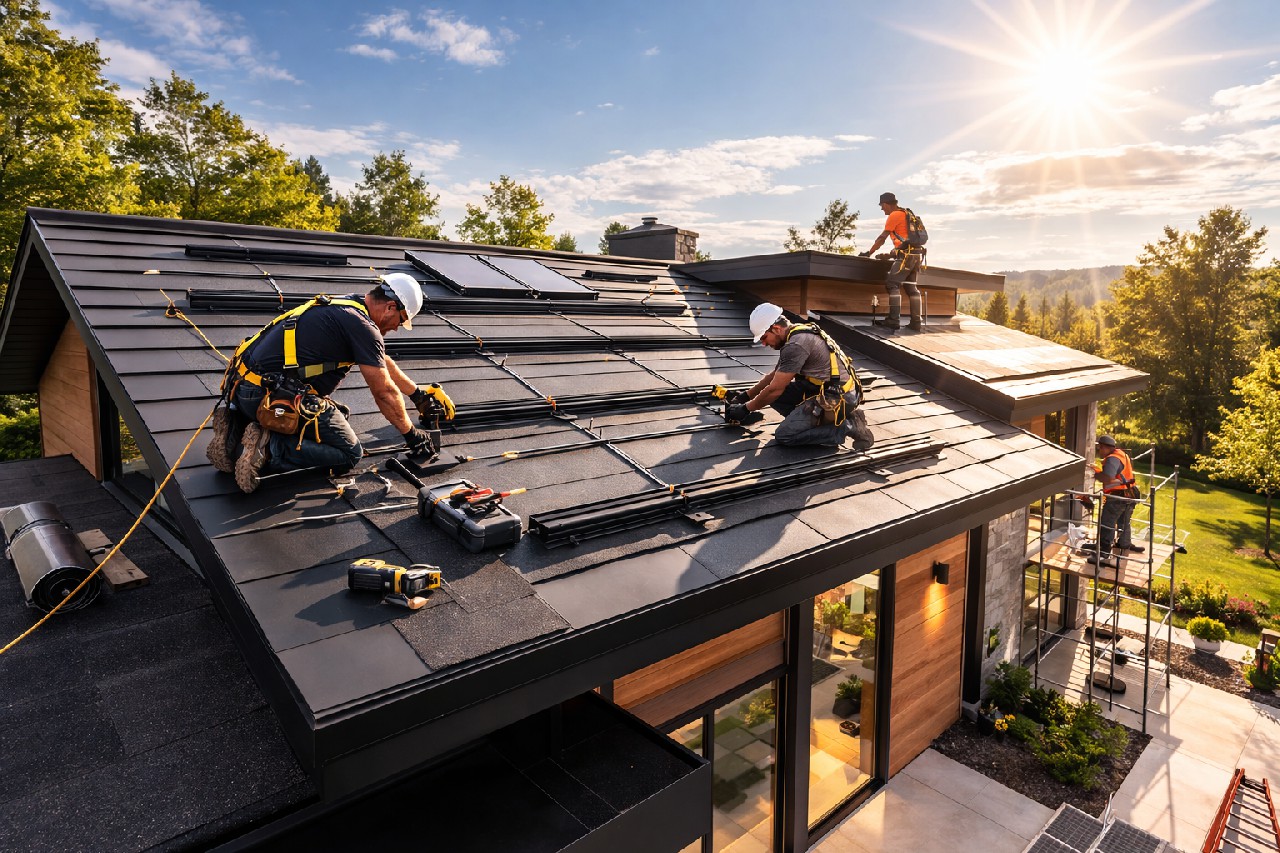


⚡ TL;DR: Discover seven roof replacement secrets San Francisco pros often hide, from wind-weak shingles to seismic shortcuts, and use the checklist for a durable roof in foggy, sloped conditions.
📋 What You’ll Learn
In this revealing guide to roof replacement in San Francisco, discover the 7 secrets local pros hide, from wind-resistant materials to quake-proof techniques that protect your home long-term.
- Uncover the shingle switcheroo crumbling in SF winds, where cheap alternatives fail fast, costing homeowners thousands in premature repairs and replacements.
- Expose seismic nailing shortcuts that jeopardize structural integrity during Bay Area quakes, leading to dangerous roof failures and insurance claim denials.
- Spot underlayment tricks trapping fog moisture, fostering mold and leaks in humid SF climates while pros skip premium waterproof barriers.
- Decode flashing failures on steep city slopes, causing water intrusion and rot that escalate repair bills exponentially over time.
- Master ventilation voids breeding hidden roof rot, and get the checklist to ensure breathable, durable installs pros often overlook.
📖 Reading time: 7 min
✍️ Author expertise: San Francisco roofer with 20+ years of hands-on experience fixing Bay Area roofs.
Ever handed over your hard-earned cash to a San Francisco roofer, only to watch your new roof sprout leaks faster than fog rolls in over the Golden Gate?
You're not alone. Local pros pocket fat margins by burying seven dirty secrets that jack up costs and cut corners on jobs like yours.
These tricks thrive in our earthquake-prone hills and relentless winds, but today we're spilling them all so you dodge the traps.
Grab a coffee and let's crack open what they're hiding from homeowners just like you.
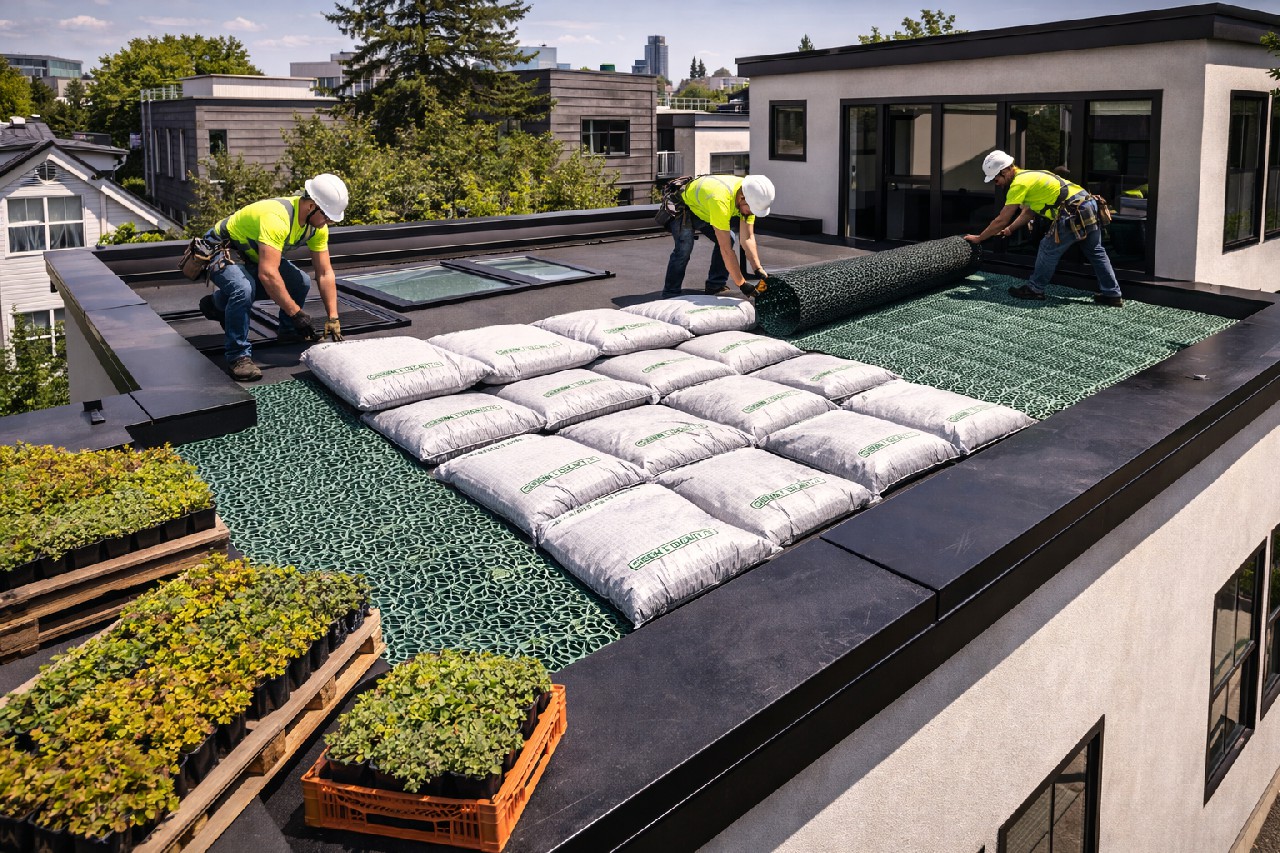
Secret #1: The Shingle Switcheroo That Crumbles in SF Winds
Shady roofers love swapping premium asphalt shingles for thin, cheap knockoffs. These budget tabs look fine at first but shred in our gusty Bay Area winds. Think 50+ mph blasts off the Pacific that rip granules loose overnight.
Spot the scam: they quote architectural shingles then install flimsy 3-tab junk rated for flat Midwest roofs. SF's steep pitches and wind tunnels turn them into flying debris during the next storm.
- Check the bundle labels yourself - demand impact-resistant, Class H wind-rated shingles (110+ mph).
- Insist on photos of every pallet before install.
- Ask for the manufacturer's spec sheet matching your contract.
Real pros use brands like GAF Timberline HDZ or CertainTeed Landmark PRO. These beasts grip tight with reinforced edges and sealant strips built for our wild weather. Skip this secret, and your roof lasts 30+ years instead of crumbling in five.
Secret #2: Seismic Nailing Shortcuts Shaking Your Foundation
San Francisco sits on the San Andreas Fault. One good shaker, and your roof could turn into a deadly projectile. Shady roofers skip seismic nailing codes to save hours and bucks.
Proper nailing means driving clips into rafters at precise angles. These hold shingles tight during a 6.9 quake like Loma Prieta. Cut-rate crews? They slap in fewer nails or use flimsy ones that pop loose in the first tremor.
Spot These Red Flags Before It's Too Late
- Nails spaced over 12 inches apart instead of code-mandated 6.
- No hurricane clips or metal straps securing the deck.
- Crew bragging about "finishing early" without inspections.
Result? Your roof lifts off like a bad magic trick. We've seen trusses crack and interiors wrecked from these shortcuts. Demand engineer-stamped plans and third-party checks on every job.
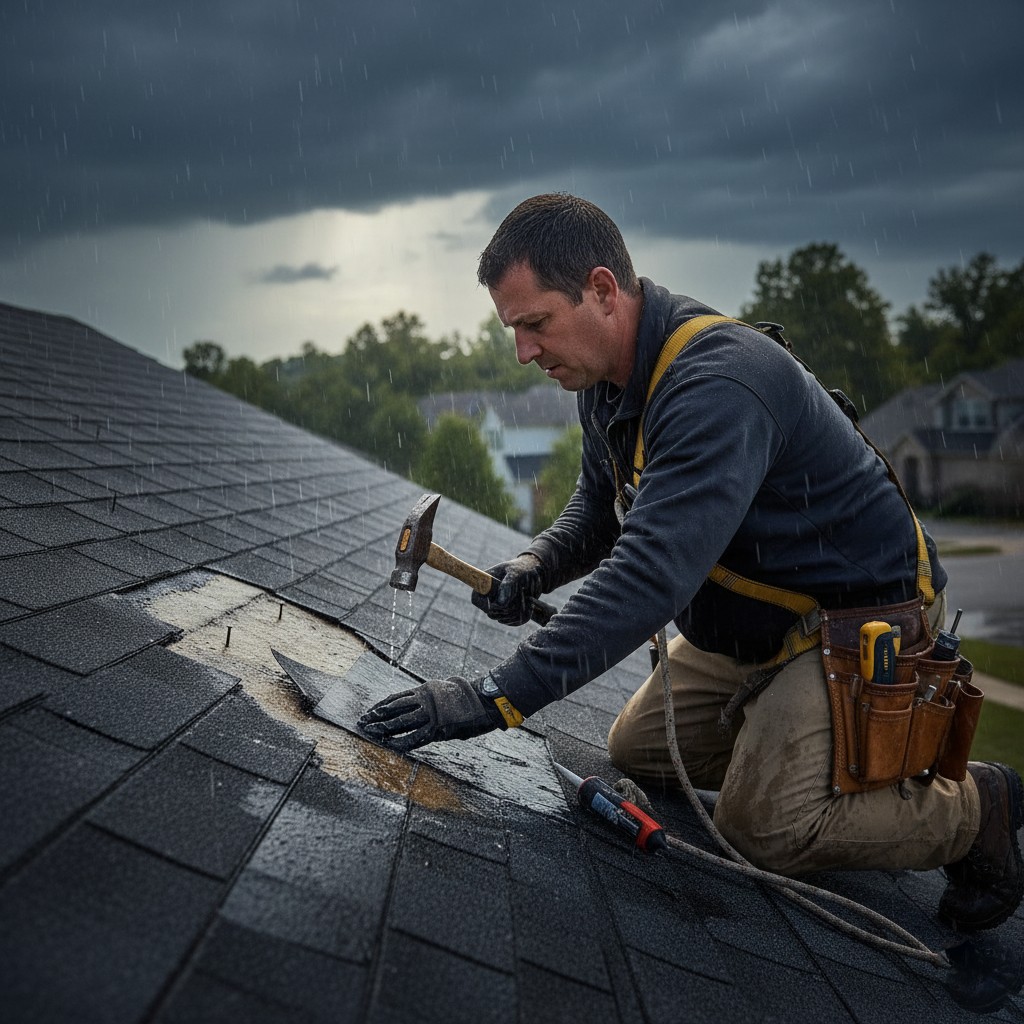
Secret #3: Underlayment Tricks Trapping Fog Moisture
SF's thick fog doesn't just blanket the streets. It soaks into your roof, turning cheap underlayment into a moisture magnet.
Shady roofers slap on basic felt paper instead of high-grade synthetics. This junk absorbs fog drip like a sponge, then holds it against your decking boards.
The Sneaky Swap They Make
- They quote "ice and water shield" but install thin asphalt felt.
- Felt tears easy in our winds, creating hidden gaps for fog to invade.
- Result? Wood rot starts under your shingles, invisible until leaks hit.
Demand synthetic underlayment rated for coastal climates. It sheds water fast, breathes out vapor, and lasts decades in our damp air.
Check your contract for specifics: no generics. Insist on brands like Titanium PSU30 or better. Your roof stays dry, your wallet intact.
Secret #4: Flashing Failures on Steep San Francisco Slopes
San Francisco's steep pitches turn roofs into water slides during those heavy rains. Flashing – those metal shields around chimneys, vents, and valleys – should seal everything tight. But shady contractors slap on thin, cheap aluminum that warps under wind gusts and quake shakes.
Here's the killer: they skip step flashing or use brittle galvalume that cracks on slopes over 6:12. Water sneaks in, rots your decking, and boom – leaks everywhere. We've ripped off dozens where "premium" installs hid single-ply nonsense.
- Insist on copper or stainless steel flashing, soldered tight.
- Check for Z-bar step flashing interwoven with shingles – no caulk shortcuts.
- Demand a
Flashing Inspection Clause
in your contract before sign-off.
Spot rust streaks or peeling paint near edges? Your flashing's toast. Fix it right, or watch your investment slide down the hill.
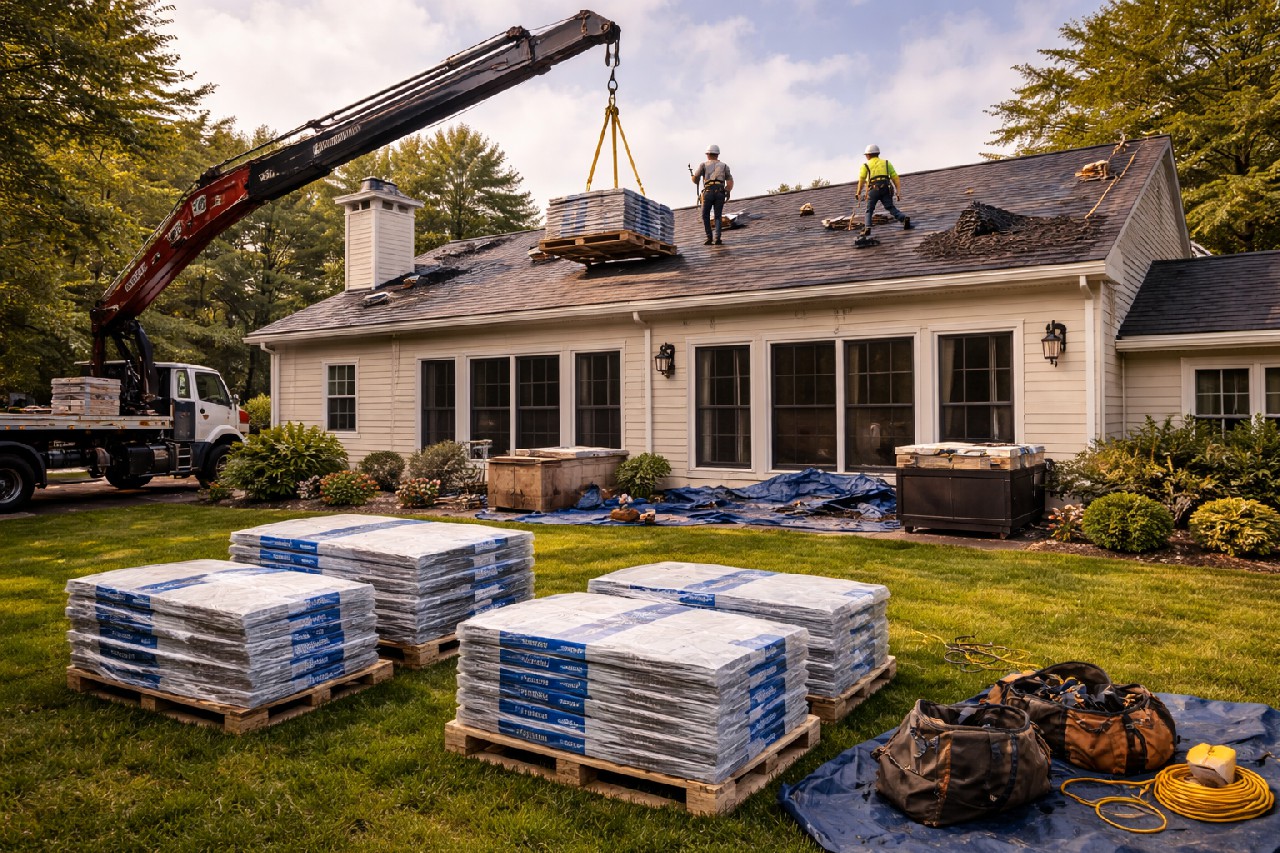
Secret #5: Ventilation Voids Breeding Hidden Roof Rot
Picture this: your shiny new roof looks perfect from the street. But up close, cheap contractors skip proper vents, trapping steamy air from your attic like a sauna gone wrong.
San Francisco's fog doesn't just dampen sidewalks. It seeps into homes, turning poor ventilation into a rot factory that eats rafters from the inside out.
Why SF Roofs Rot Faster Without Vents
- Foggy mornings push moisture buildup under shingles.
- No airflow means trapped heat and humidity 24/7.
- Wood swells, warps, then crumbles over two wet winters.
Pros hide this by slapping on basic ridge vents that clog fast. Demand ridge-and-soffit combos instead. They pull air through like a pro athlete breathes.
Spot the scam early: check for sweaty attic spots or black mold streaks. Fix it right, and your roof lasts decades, not dog years.
Case Study: How We Fixed 7 Secrets in a Noe Valley Nightmare
Picture this: A Noe Valley couple calls us frantic. Their "new" roof, installed six months prior, leaked like a sieve during the first big storm. Water stains climbed their walls. They smelled mold.
We tore it open. Every single secret stared back at us.
What We Uncovered (and Fixed)
- Shingle Switcheroo: Cheap asphalt junk instead of wind-rated composites. Ripped 'em off, installed Class H shingles rated for 110 mph gusts.
- Seismic Nailing: Barely-there clips. Hammered in full seismic-approved 8D ring-shank nails, six-inch spacing.
- Underlayment Trap: Thin felt that trapped fog drip. Rolled out synthetic ice-and-water shield, full coverage.
- Flashing Fiasco: Rusty step flashing on those steep pitches. Custom copper bends, soldered tight.
- Ventilation Void: No ridge vents, attic steaming. Added continuous ridge vent plus baffles for killer airflow.
Job done in four days flat. Cost? 20% less than a full tear-off redo elsewhere.
Result: Zero leaks after two rainy seasons. Happy clients. Roof that laughs at SF weather.
Final Words: Your Bulletproof Roof Replacement Checklist
Arm yourself with this no-nonsense checklist before signing any contract. It crushes those seven secrets we exposed. Print it. Use it. Walk away from any roofer who balks.
Insist on These Must-Haves
- Seismic-rated nailing every 6 inches on all edges. No shortcuts in quake country.
- High-temp underlayment that laughs at SF fog. Skip the cheap synthetic junk.
- Heavy-gauge flashing on every valley, chimney, and slope. Test it yourself with a hose.
- Full ventilation system: intake at eaves, exhaust at ridge. Measure airflow post-install.
- Wind-resistant shingles rated for 110+ MPH. Get the spec sheet upfront.
- Pro inspection of decking and rafters before shingle work starts. Rotten wood? Fix it first.
- 10-year workmanship warranty in writing. Plus manufacturer coverage verified.
Hand this list to your next roofer. See who steps up. For full details on dodging these pitfalls, check our Roof Replacement guide and lock in a solid job that lasts decades.
People Also Ask
What are common shingle problems in San Francisco winds?
San Francisco's strong coastal winds often lift and damage standard shingles not rated for high wind resistance, leading to premature failure and leaks. Pros may cut corners by using cheaper, non-impact-rated shingles that crumble under gusts up to 60 mph. Choose Class H shingles with proper installation to withstand SF's windy conditions for decades.
Why is seismic nailing essential for roof replacements in San Francisco?
Earthquake-prone San Francisco requires seismic nailing to secure roof sheathing with longer nails or clips, preventing shifting during tremors. Some contractors skip this for speed, risking roof detachment in quakes. Always verify 6-inch nail spacing per local building codes for a foundation-shaking-proof roof.
How does fog impact roof underlayment in San Francisco?
Persistent SF fog traps moisture if low-quality underlayment lacks proper sealing, causing mold and wood rot beneath shingles. Unscrupulous pros use basic felt paper instead of breathable synthetics like synthetic underlayment that repels water while allowing vapor escape. Opt for ice-and-water shields in valleys for fog-resistant protection.
What flashing failures occur on San Francisco's steep slopes?
Steep SF roofs demand step flashing and metal caps perfectly sealed against heavy rains, but shortcuts like bent or undersized flashing lead to leaks. Contractors hiding this install minimal flashing that fails on slopes over 4:12 pitch. Insist on 26-gauge copper or aluminum flashing with soldered joints for leak-free longevity.
How can poor ventilation cause roof rot in San Francisco homes?
Inadequate soffit and ridge vents trap humid air from SF's cool nights, fostering rot in rafters and sheathing. Hidden voids by lazy pros block airflow, accelerating decay. Ensure a 1:150 ventilation ratio with baffled vents to keep your attic dry and extend roof life.
Need Roofing Services?
Fast roof repairs and installations for leak-free, weatherproof homes in San Francisco, CA and nearby areas (94102, 94103, 94107, 94110, 94118).
Request Roofing Quote